
Osteoradionecrosis (ORN) or simply bone death is a serious complication or side effect that people suffering from head and neck cancer can develop after years of radiation therapy. While radiation is beneficial for removing cancerous cells, it can damage surrounding tissue and blood vessels over time.
Sufficient blood supply is essential for keeping your cells and tissues oxygenated and nutrient-rich. This is why Hyperbaric Oxygen Therapy for Osteoradionecrosis is a major treatment recommended in line with traditional therapies to promote healing and well-being.
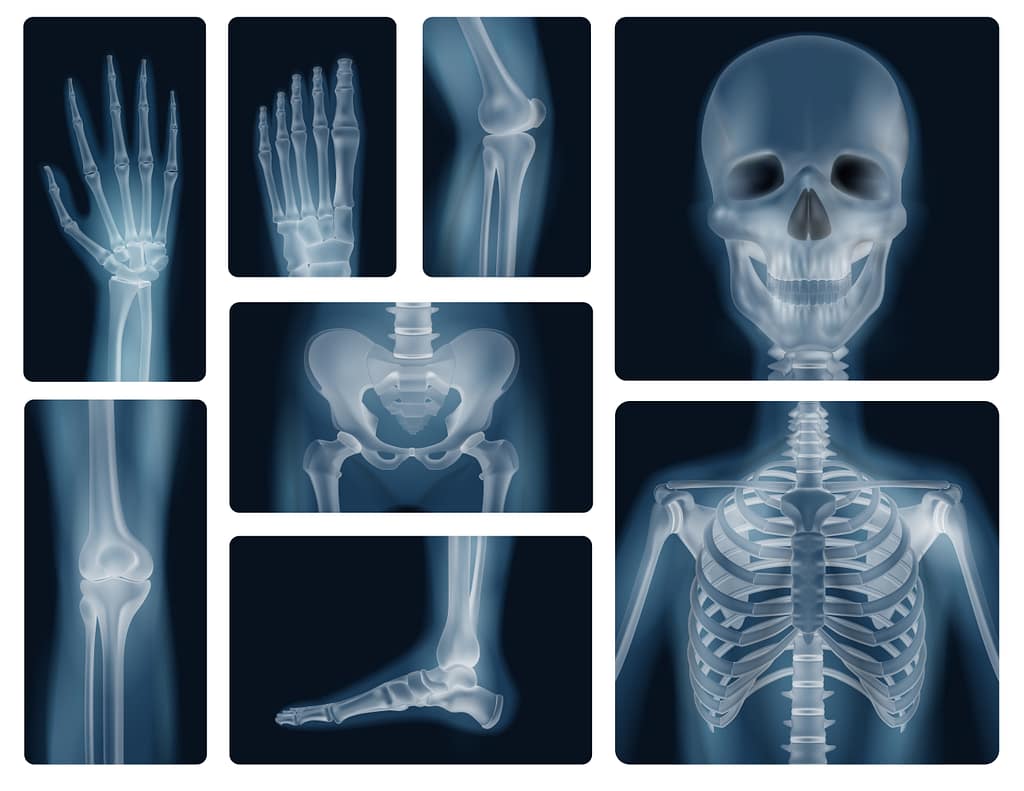
The most commonly affected area is the lower jaw or the mandible due to naturally less blood supply. However, the upper jaw, the maxillary, and other bones exposed to radiation for several years can also be impacted. If the skull is affected, the person can die.
The Disease’s Pathophysiology
Tumor cells are killed by radiation due to mutations in their DNA. Since the surrounding healthy cells are free from these mutations, they repair their mechanisms and recover. The problem occurs when radiation doses exceed a certain threshold, leading to irrecoverable DNA damage inside normal cells resulting in necrosis or cell death.
Along with tissue death, blood vessel damage in the area reduces blood flow. This decreases nutrients and oxygen in the area and impacts the normal functioning of other cells. As a result, infections can arise more easily and instances of trauma can become common due to weakened bone.
Risk Factors for Developing Osteoradionecrosis
1. Tumor Location and Size
The bigger the tumor, the higher the risk of Osteoradionecrosis. This is evident since bigger tumors require higher radiation and a longer time to be removed. This means that the surrounding tissues and blood vessels will be more overwhelmed.
Additionally, tumors close to the mandible or maxilla will expose more bone to radiation, leading to Osteoradionecrosis of the jaw.
2. Radiation Delivery and Dose
Patients receiving higher doses have a greater chance of developing this disease, especially if the dose exceeds 65 Gy. All radiation therapies have the same risk factors, be it IMRT, conventional radiotherapy, or brachytherapy.
3. Diabetes Mellitus and Smoking
Tobacco is a carcinogen and therefore bad for health. Concerning ORN, nicotine in tobacco constricts blood vessels. When this is coupled with blood vessel damage due to radiation, the surrounding cells and tissues get a drastically reduced blood flow.
Diabetes Mellitus also affects blood perfusion to cells already damaged by radiation therapy.
4. Oral health and Teeth Extractions
Patients with head or neck cancer are strongly advised to visit the dentist before starting radiation therapy. This is because teeth extraction or poor oral hygiene during or after therapy can lead to trauma, worsening dental health, or ORN.
Osteoradionecrosis Symptoms
The following are the more common symptoms of ORN. If any of these present themselves, you should visit your doctor immediately who will conduct a physical exam and take your medical history. Tests such as an MRI, CT scan, biopsy, or X-ray can be prescribed to know the extent of the disease or the occurrence of cancer.
- Pain
- Swelling
- A tingling sensation or numbness in the affected area
- Infection
- Fractures in the jawbone
- Exposed bone in the mouth
- Trismus or the incapacity to open your mouth fully due to tightening jaws
- Misalignment of teeth
- Fistula or bone sticking out of the skin, usually under the jaw
- An ulcer or a sore on the outer jaw, neck, or gums
The Scales of Osteoradionecrosis
According to the Notani Classification System, Osteoradionecrosis can be divided into three stages:
Stage 1
In this stage, ORN is limited to the alveolar bone which supports teeth. The inferior mandible border is safe from any pathological involvement or fracture. This stage is manageable with antibiotics and debridement.
Stage 2
ORN extends to the inferior border of the mandible but pathological fracture is absent. However, treatment needs to include more aggressive strategies such as hyperbaric oxygen therapy for osteoradionecrosis or even surgical debridement.
Stage 3
The mandible is extensively involved with the incidence of pathological fractures or skin fistulas (abnormal openings). In severe cases, the maxilla or other facial bones may also be harmed.
Patients are more likely to undergo surgical reconstruction at this stage. They might also have to manage secondary infections.
Osteoradionecrosis Treatment
Medical, surgical, and supportive therapies such as HBOT are usually needed to minimize the effects of this disease depending on the severity and stage of the condition. The primary goals are to keep infection under control, alleviate any symptoms, and promote thorough healing while minimizing further complications.
Conservative Management
This is the first-line approach for early-stage ORN or less severe cases and involves:
Oral Hygiene
Antimicrobial mouthwashes should be used regularly and teeth should be brushed twice a day to prevent infections, especially in patients who are susceptible to ORN. Also, regular dentist visits are indispensable to avoid complications.
Antibiotics
Since exposed necrotic areas are vulnerable to bacteria, doctors will prescribe antibiotics to control or prevent infections, especially for secondary soft tissue infections.
Analgesics
Your doctor might prescribe pain management over-the-counter or prescription medications, depending on the severity.
Nutritional Support
Soft or liquid diets may be prescribed to reduce trauma to the affected area. In severe cases with significant oral or swallowing dysfunction, consideration might be given to feeding tubes.
Adjunctive treatments like Hyperbaric Oxygen Therapy and Low-Intensity Laser Therapy (LILT) bring additional healing to your body.
Why Hyperbaric Oxygen Therapy for Osteoradionecrosis Works
Surgeons and medical practitioners now recognize how vital Hyperbaric Oxygen Therapy is for Osteoradionecrosis.
When used alongside traditional medicine, HBOT provides the oxygen needed to repair and heal cells, tissues, and blood vessels with the supersaturation of oxygen in the blood vessels. This enhances the healing process in irradiated tissues and improves oxygen delivery to hypoxic (low-oxygen) bone and soft tissue.
How HBOT Functions
1. Increased Oxygen Delivery
Patients are exposed to 100% oxygen under high atmospheric pressure during HBOT which increases oxygen diffusion and availability to the bones. This helps to heal radiation damages in blood vessels that reduce oxygen supply to tissues.
2. Angiogenesis (Formation of New Blood Vessels)
High oxygen saturation within the blood vessels encourages new blood vessels to develop in damaged tissues. This Improves blood supply, which supports healing and prevents further tissue breakdown.
3. Improved Collagen Synthesis and Tissue Healing
HBOT enhances fibroblast activity, leading to better collagen production and wound healing. This is needed for better cell and tissue support in the affected areas.
4. Enhanced Immune System
An increased oxygen supply improves the immune system’s ability to fight infections and disables certain bacteria toxins. Well-oxygenated tissues also have a higher capacity to resist pathogens.
5. Limited Bone Necrosis
While it is difficult to save a necrotic area, the revascularization of necrotic bone and improved oxygenation limits further bone death and helps prevent progression to more severe stages of ORN.
When is HBOT the most effective?
HBOT is a great prevention and treatment strategy for ORN and its related health problems. It is best suited for patients who will be undergoing radiation therapy in the future so that any potential damages and tissue death can be compensated promptly.
It reduces the risk of ORN and dental procedure-related trauma by improving tissue oxygenation before and after the procedure.
In patients with ORN, treatment should start in early-stage ORN i.e. Notani Stage I and II. Combined with debridement, antibiotics, or minor surgical procedures, it puts the patient on the fast track to healing.
In case a surgical intervention becomes necessary in severe ORN cases, HBOT Prepares tissues before procedures like resection or reconstruction. It also enhances graft survival and postoperative healing by improving the local oxygen supply.
Limitations of HBOT
Cost and Availability
HBOT is expensive and may not be accessible in all medical facilities.
Effectiveness in Advanced Stages
HBOT may be less effective in advanced ORN (Stage III), where extensive surgical intervention may be required.
Patient Suitability
Some patients with uncontrolled COPD, seizures, or claustrophobia may not tolerate HBOT well. Therefore, it is important to talk to your medical care provider about your possibilities in detail.
HBOT is a cornerstone in the management of ORN, especially in the early stages, by improving oxygenation, stimulating healing, and reducing infection. While not always sufficient as a standalone therapy in advanced ORN, it serves as an invaluable adjunct to surgical and medical treatments.
If you or someone you love suffers from early or late-stage ORN and want to discover or know more about Hyperbaric Oxygen Therapy, we’re here to help. We provide comprehensive consultation services to answer all your queries and reservations, so give us a call today!
